Menu Search

Home

For You
Trending
News
Media (global)
Articles
Avatar
jrm
@jrm Sep 21
LIFE editorial branding image featuring a red thread connecting the subject through a contemporary gallery, representing people, ideas, places and stories remaining connected.
I have spent a lot of time building this application, but somewhere along the way I realized I was building more than software. I was building a place for stories. The technology matters. The database matters. The architecture matters. The pages have to load, the links have to work, the publishing system has to be reliable, and the application has to be able to grow. But none of those things are the reason I kept working on it. The reason is much simpler. I wanted a place where people, ideas, photographs, experiences, and stories could remain connected. That idea is becoming the foundation of the new Wildwood. The application has grown from a collection of pages into a real publishing platform with distinct systems for short posts, long-form stories, articles, photography, contributors, search, discovery, and personal profiles. Behind it is the stack I have continued to work with and refine: ASP.NET Web Pages and Razor, SQL Server, stored procedures, structured content, media, tags, authentication, analytics, and the small details that make a site feel coherent instead of assembled. But the biggest change is not technical. It is the identity. The new branding is intentionally quieter and more personal. Less about filling a screen. More about creating meaning. The red thread has become an important visual idea for me. A thread can connect people who may never stand in the same room. It can connect one chapter of a life to another. It can travel through grief, recovery, love, work, failure, rebuilding, and whatever comes next. Sometimes the thread is obvious. Sometimes you only recognize it when you look backward. That is what this image represents to me. LIFE. A longer story ahead. People. Ideas. Places. Stories. Always connected. Same thread. Different horizons. There is also something personal in building this now. I have lived through enough change to understand that a life cannot always be organized into clean chapters. Some stories overlap. Some are interrupted. Some have to be rebuilt. Some change direction completely. The application reflects that. A short post can become part of a larger story. A photograph can carry a memory that words cannot. A personal experience can become an article that helps someone else understand something they are facing. A difficult chapter can sit beside a hopeful one without either becoming less true. That is the kind of publishing platform I wanted to create. Not something built around constant noise. Something built around continuity. The redesign has also forced me to simplify. I have removed things that did not belong. Reduced visual clutter. Separated Posts, Stories, and Articles into distinct content systems. Reworked discovery. Rebuilt the homepage. Reworked the For You experience. Added long-form publishing. Improved how media and contributors are presented. Moved more of the application toward stored procedures and clearer database contracts. And slowly, the site has started to feel like one thing instead of many disconnected experiments. That matters to me. Because branding should not simply be a logo placed above an application. The application itself should express the brand. The typography. The whitespace. The photography. The editorial hierarchy. The way stories are discovered. The way a person moves from a photograph to a post, from a post to a story, and from a story to something deeper. They should all feel connected. Like a thread. I chose the word LIFE because it is broad enough to hold everything I want this project to become. Not only technology. Not only trees. Not only photography. Not only personal stories. Life includes all of them. The good parts. The difficult parts. The ordinary parts that turn out to matter more than we realized. The people we meet. The people we lose. The things we build. The things we have to rebuild. The places that become part of us. The ideas that stay with us. And the stories we leave behind. This application is still evolving. There are features I want to improve. There are pages I will probably rebuild again. There are parts of the database that will continue to mature. There are stories that have not been written yet. That no longer feels like unfinished work to me. It feels like the point. The platform should continue changing because life continues changing. So the new branding is not intended to say that the project is finished. It says almost the opposite. LIFE. A longer story ahead. That is the statement. And it may be the clearest description yet of what I have been building.
jrm
@jrm Sep 21
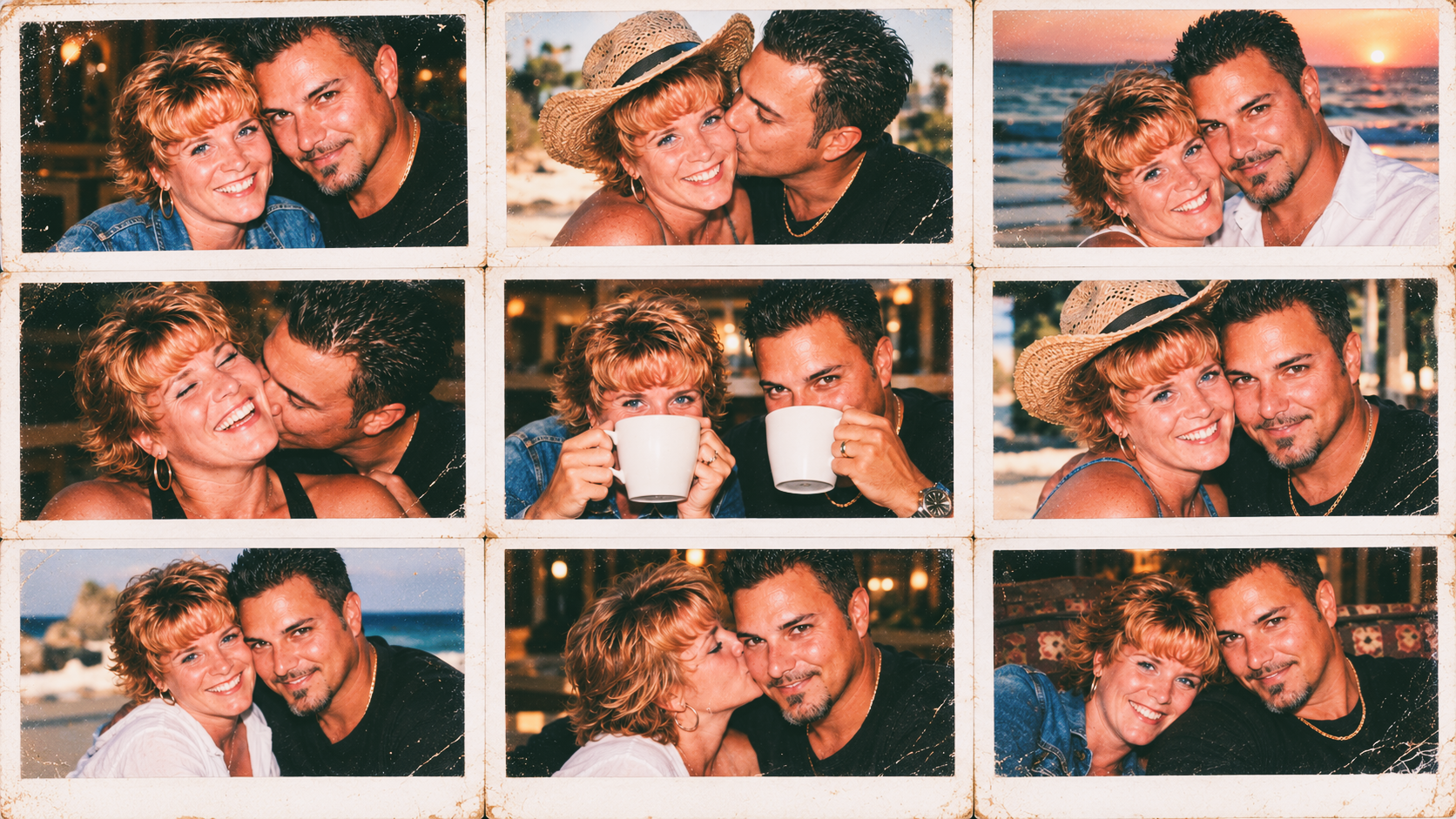
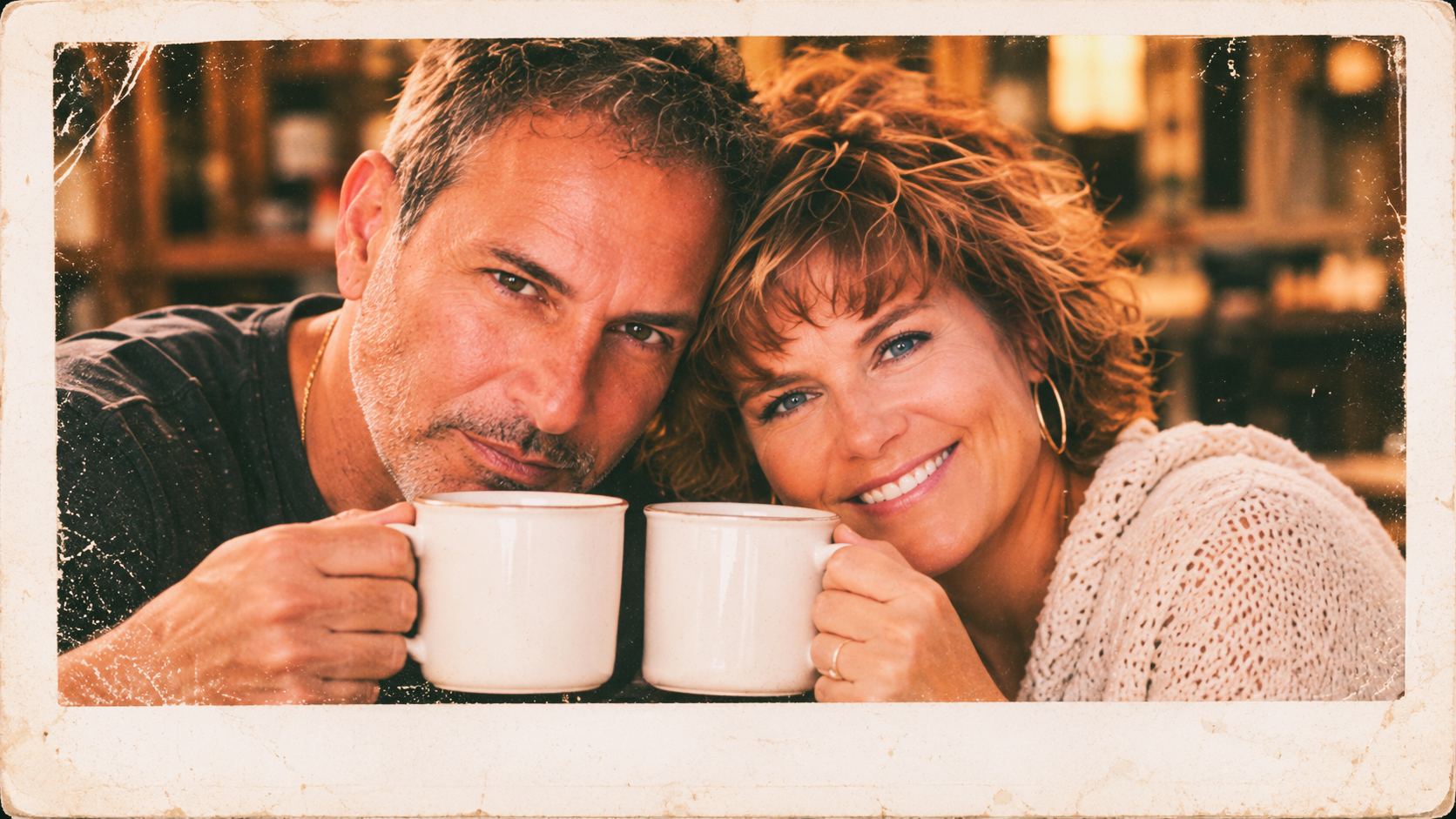
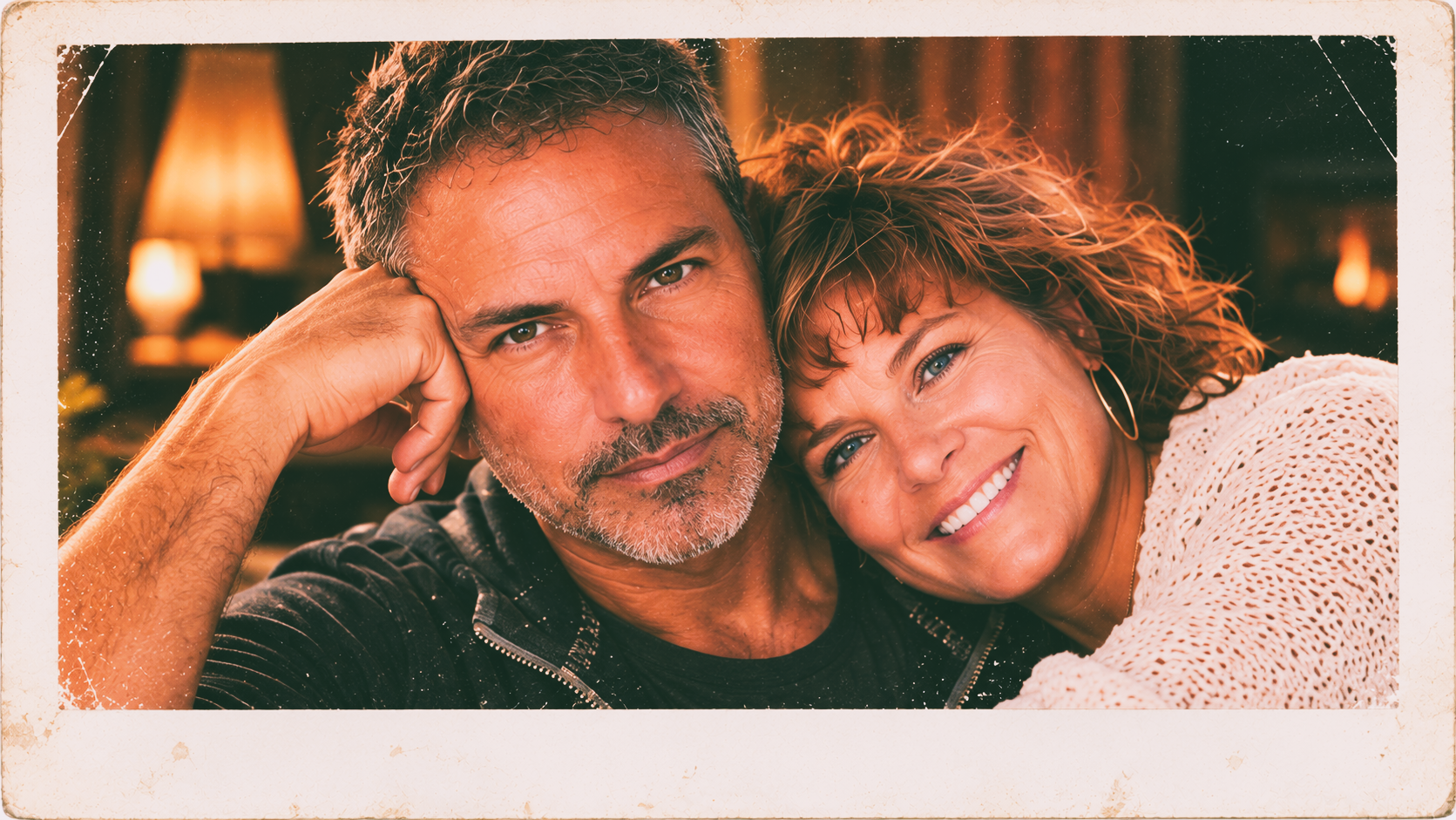
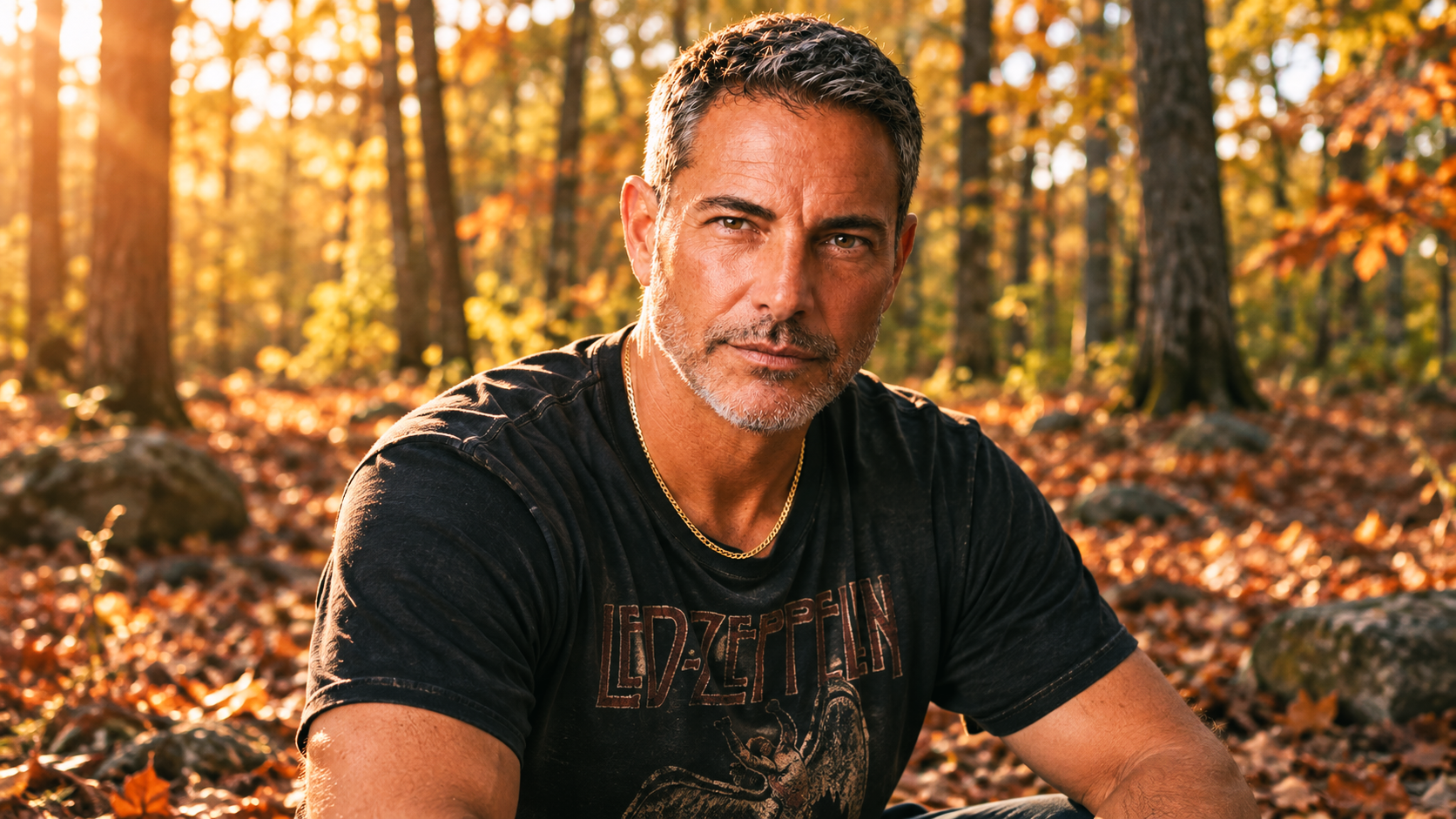
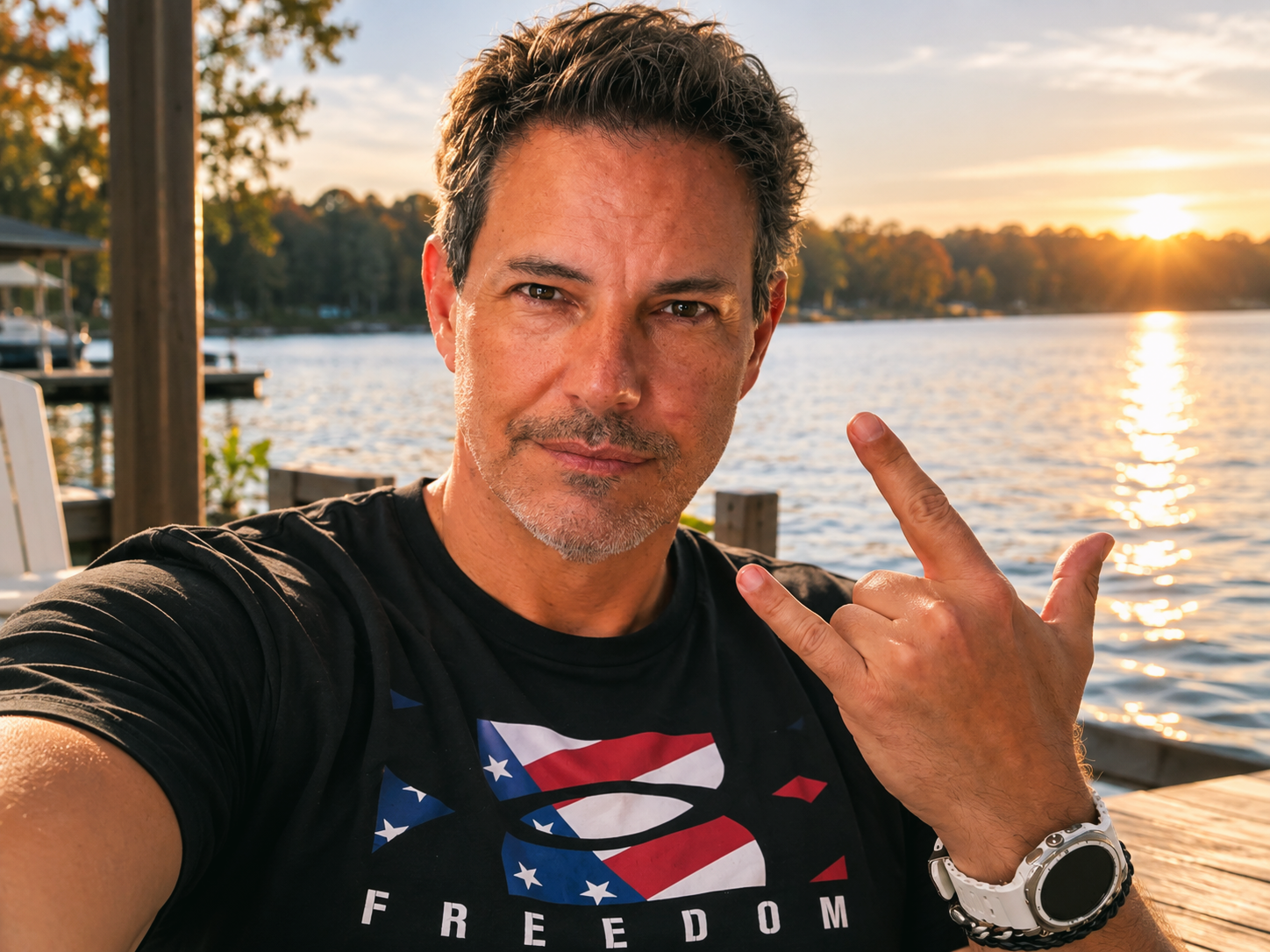
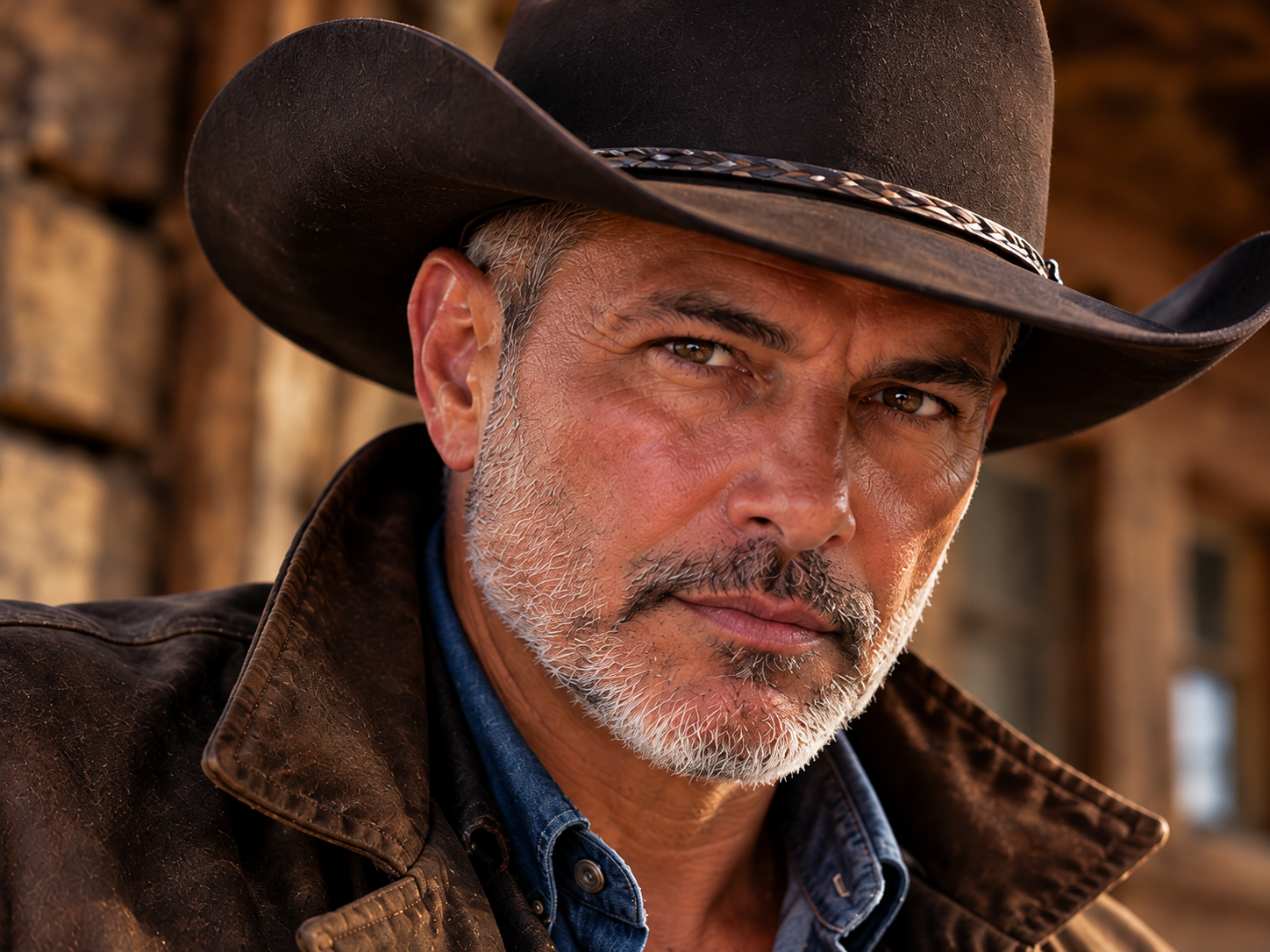
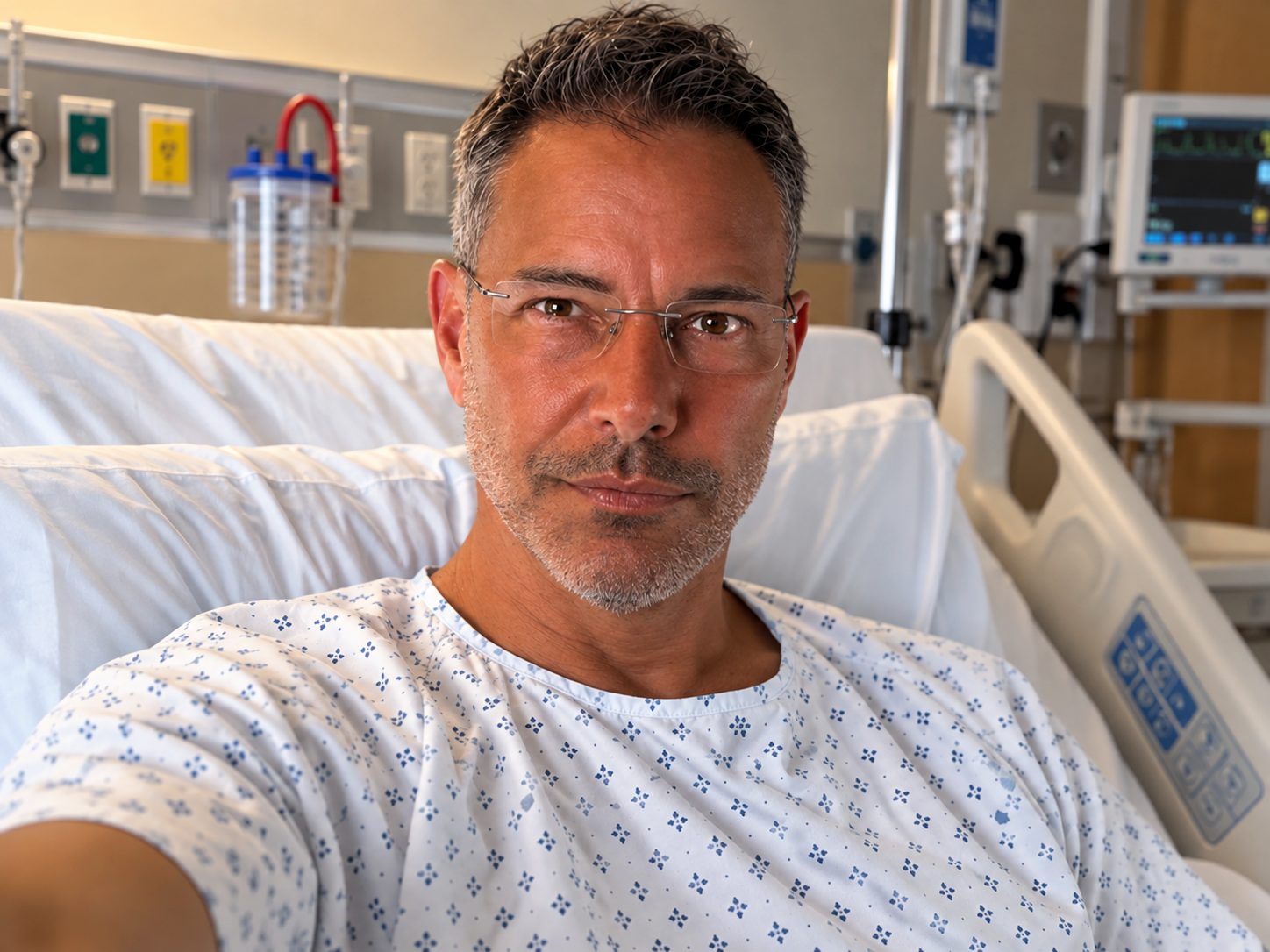
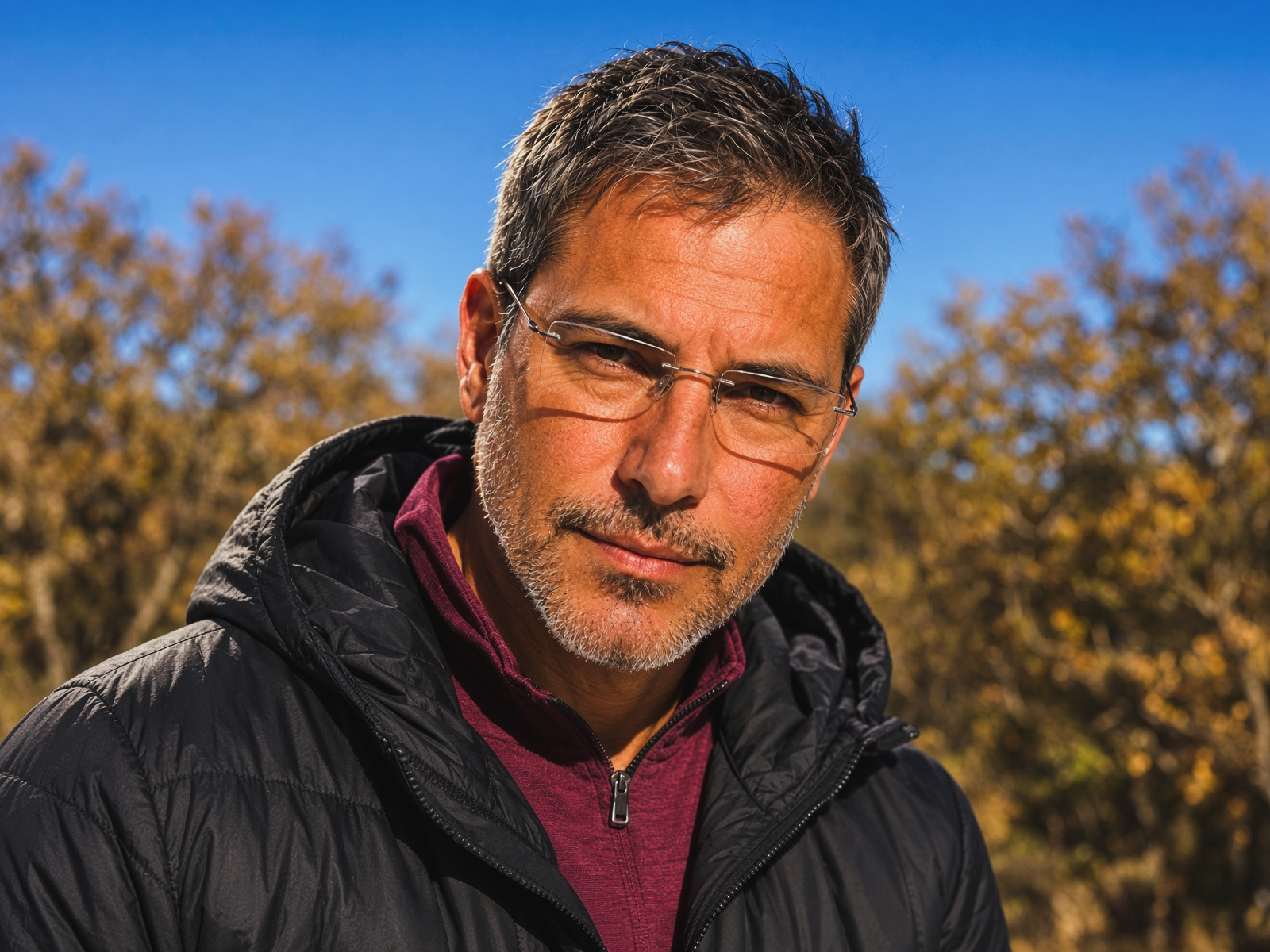
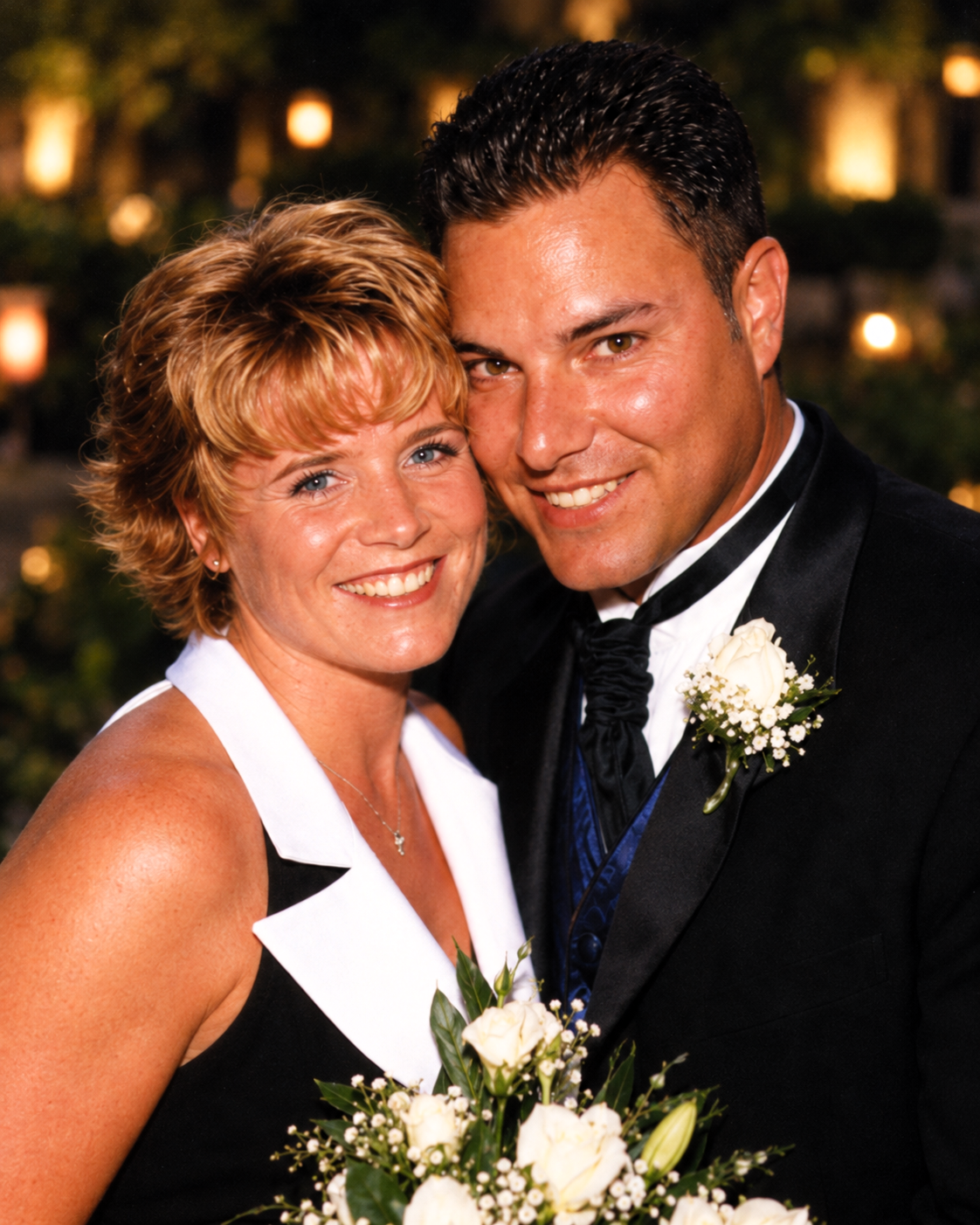
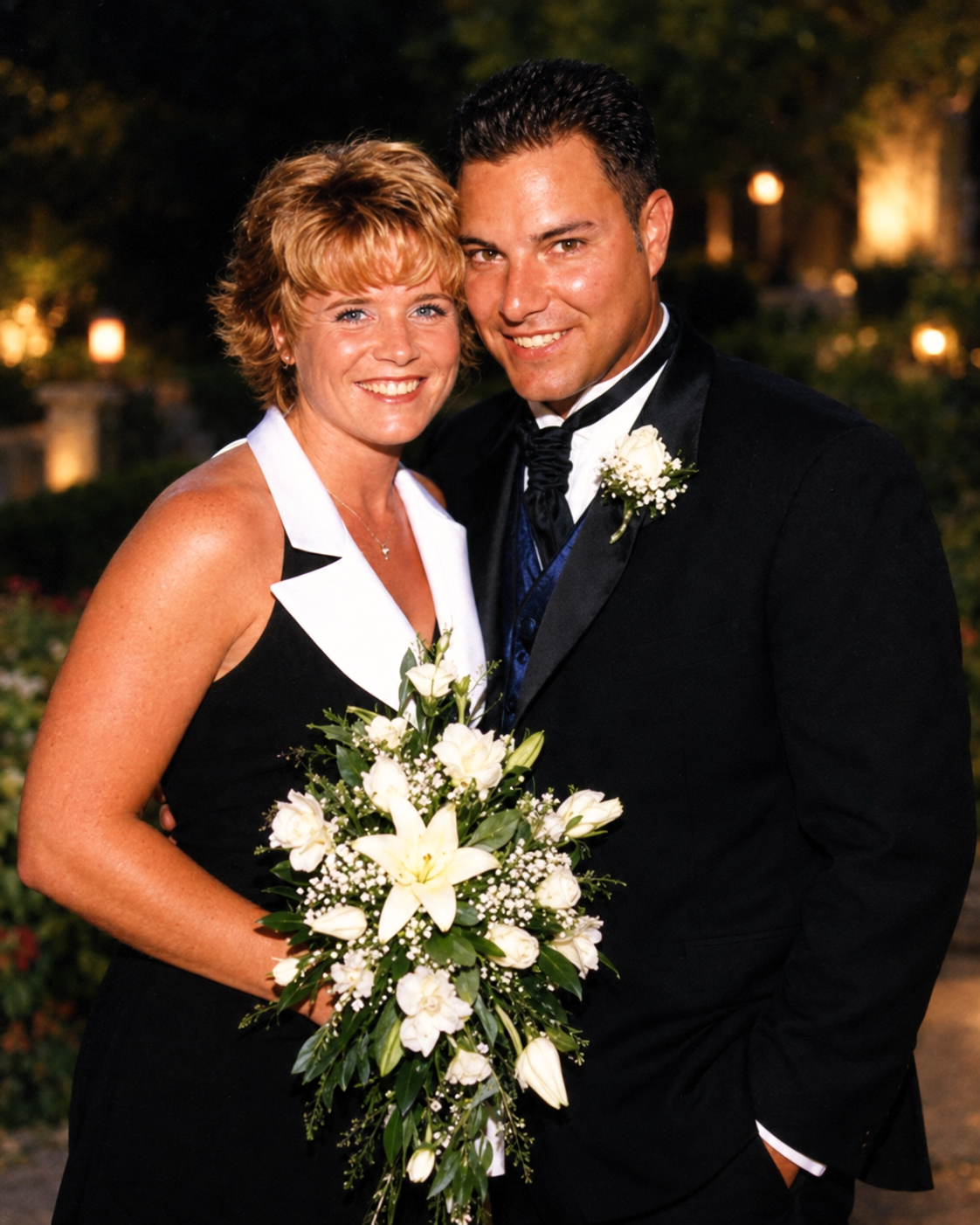
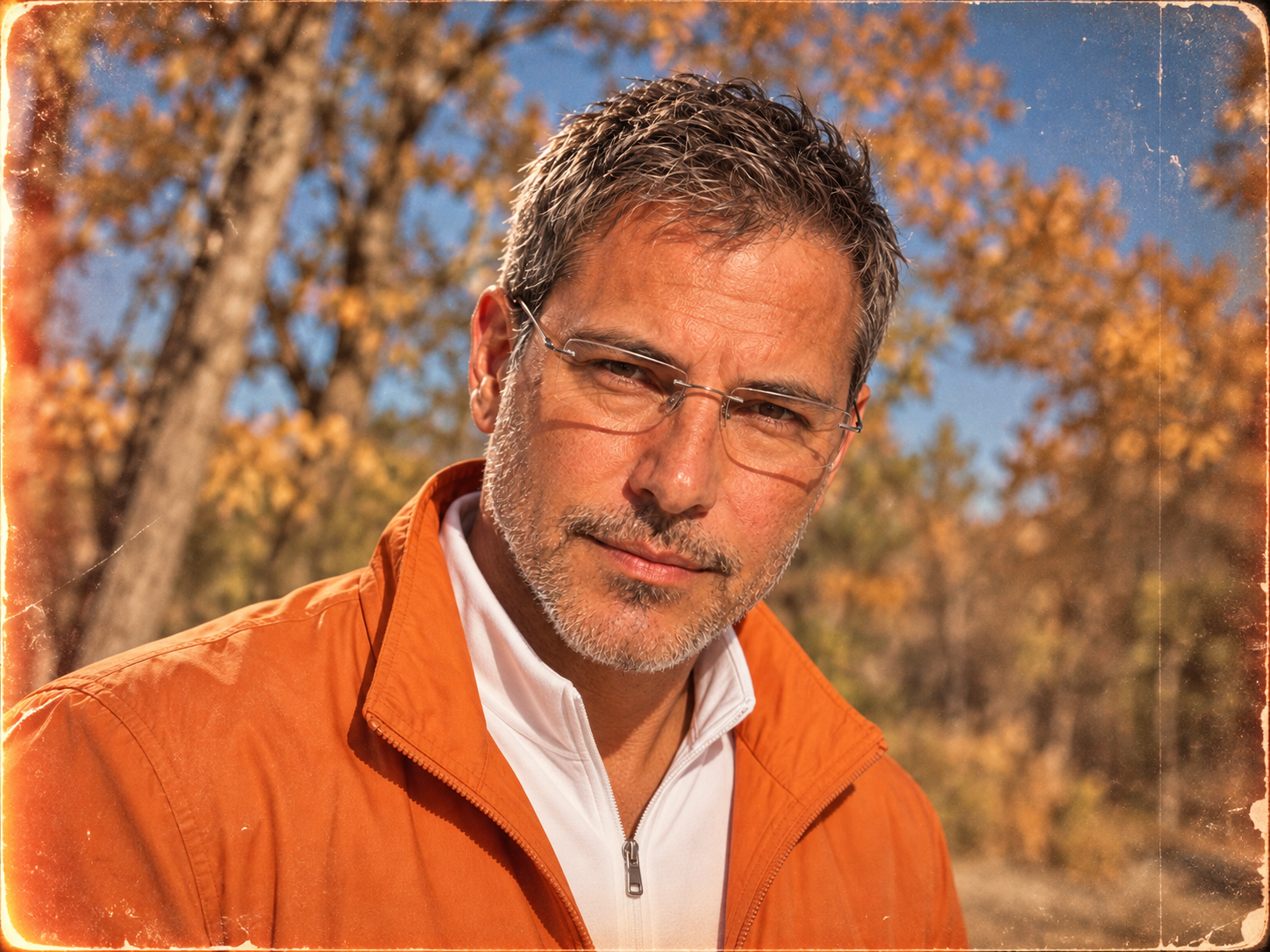
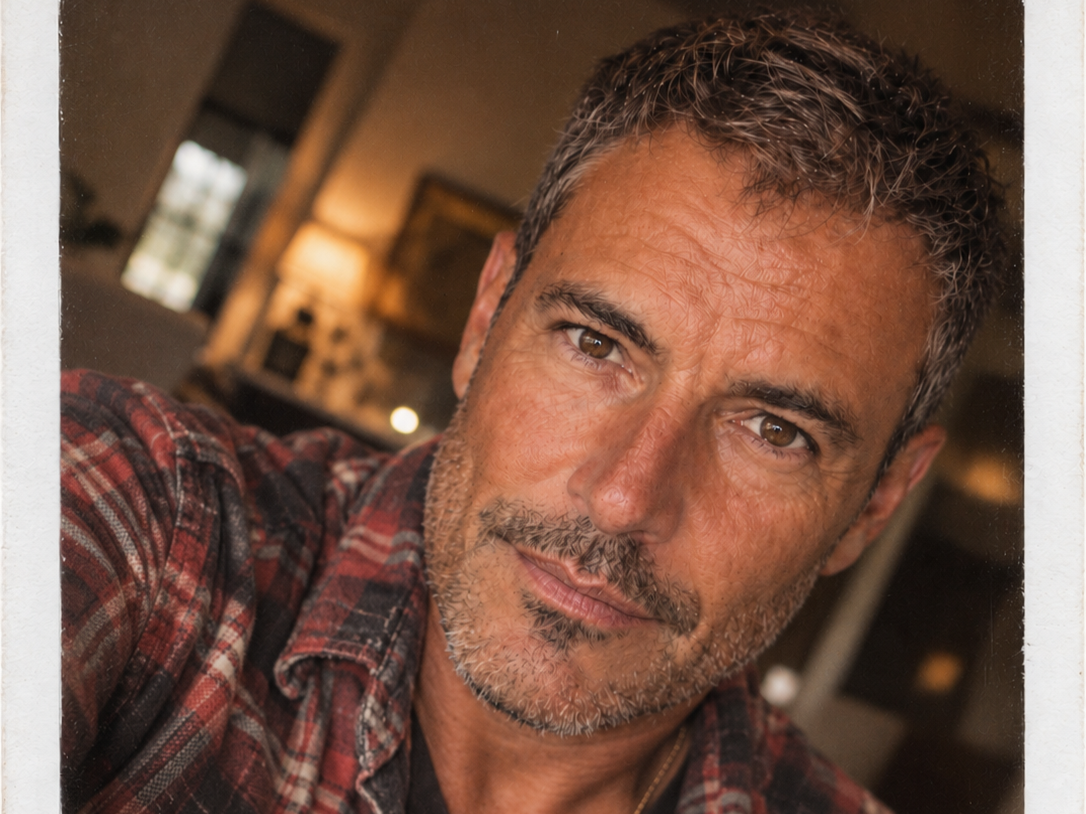
Close portrait in a black knit sweater during a long period of stroke recovery. Portrait in a vintage Coca-Cola shirt reflecting continued recovery and adaptation after a stroke. Portrait in a black leather jacket representing resilience during the continuing journey after a stroke.
My stroke did not end when I left the hospital. That may be one of the hardest things to explain about surviving one. There is the emergency itself, and then there is everything that comes afterward鈥攖he work of figuring out what changed, what may improve, what still needs to be retrained, and what may simply become part of your new normal. I still live with lasting effects. There is weakness and stiffness on my left side. My left leg does not always move as naturally as it once did, and I have had to consciously retrain it to walk with a more normal gait. Something I spent most of my life doing without thinking can now require attention: how the leg swings forward, where the foot lands, whether I am compensating, and how fatigue changes my movement. My vision was affected too. That changes more than what I see. It changes how I move through an environment, how I judge what is around me, and how much concentration ordinary situations can require. There are also the things people cannot see in a photograph. Memory gaps. Moments of confusion. The frustration of knowing that something used to be automatic and discovering that it now requires deliberate thought. The strange experience of knowing who you are while also recognizing that your brain and body do not always operate exactly as they did before. Recovery has taught me that progress and complete restoration are not the same thing. I can become stronger without pretending the weakness is gone. I can walk farther while still acknowledging that my left leg requires work. I can adapt to visual impairment without pretending I see exactly as I did before. I can rebuild routines while still living with the reality that the stroke changed me. For a long time, I thought recovery meant getting back to the person I had been before everything happened. I look at it differently now. Recovery is learning how to live fully as the person I am today. Some days that means pushing myself. Some days it means recognizing fatigue before it changes the way I move. Sometimes it means celebrating progress that another person might never notice. A better step. More balance. A longer walk. A task that requires less concentration than it did a month ago. Remembering something that once felt lost. Those things matter. The lasting effects of a stroke can be difficult because the outside world often sees the recovery before the person living it feels recovered. You can look healthy. You can smile. You can work. You can have a conversation. You can take a photograph. And still be working around neurological deficits every single day. I have learned not to measure my life only by what the stroke took from me. It also revealed how adaptable the human body and mind can be. I am still working. Still adjusting. Still strengthening what can be strengthened. Still learning how to compensate where I need to. Still trying to give my brain and body every opportunity to improve. And I am also learning something equally important: I do not have to wait until every deficit disappears before I allow myself to live. The stroke is part of my story. Its effects remain part of my life. But neither one gets to be the entire story. I am still here. Still moving forward. And some days, moving forward one deliberate step at a time is more than enough.
jrm
@jrm Sep 18
Close-up portrait of Joey wearing a black turtleneck against a dark background, looking directly into the camera with his hands clasped in front of him.
On August 4, 2026, I had a TLIF spinal fusion at L4-L5. TLIF stands for Transforaminal Lumbar Interbody Fusion. In simple terms, the procedure was performed to stabilize the L4-L5 level of my lower spine. The surgery involves placing an interbody cage and bone graft between the vertebrae, along with screws and rods that provide stability while the bones have time to fuse. Reading about spinal fusion is one thing. Going through it yourself is something entirely different. Surgery becomes a very real dividing line between what life looked like before the operation and what comes afterward. I am still moving through that process one day at a time. Recovery from spinal fusion is not measured by one dramatic moment. It is made up of smaller things: getting up, moving safely, rebuilding strength, being patient with the body, and understanding that healing continues long after the surgery itself is over. This photograph feels appropriate for this chapter of my life. There is nothing particularly complicated about it. It is simply me, looking straight ahead, carrying the experience with me. August 4, 2026 is now one of those dates I will always remember. It marks the day I had my L4-L5 TLIF spinal fusion and began the next part of the journey.

Who to follow

jrm
Joey Montes
@jrm
hjk
Heather Killebrew
@hjk
jrm
@jrm Sep 18
Medical illustration explaining TLIF L4-L5 spinal fusion with a sagittal lumbar spine view, posterior fusion construct with pedicle screws, rods, interbody cage and bone graft, and an axial view showing the transforaminal approach and nearby L4 and L5 nerve roots.
I wanted to share this graphic because it gives a clear look at what happens during a TLIF at L4-L5. TLIF stands for Transforaminal Lumbar Interbody Fusion. The procedure is designed to stabilize the segment between the L4 and L5 vertebrae while also creating more room for compressed nerves. The first view shows the lower lumbar spine from the side and highlights a degenerative, collapsed L4-L5 disc space. Changes at this level can contribute to instability, nerve compression, back pain, and pain that travels into the leg. The second view shows the fusion construct from the back. Pedicle screws are placed into L4 and L5 and connected with rods to stabilize the segment. An interbody cage filled with bone graft is positioned between the vertebrae, while additional bone graft can be placed around the back of the spine to support fusion. The third view looks down at L4-L5 from above and shows the transforaminal approach. This pathway allows the surgeon to reach the disc space from one side, decompress the affected nerve structures, remove damaged disc material, and insert the interbody cage. The goal is not simply to place hardware. The screws and rods provide immediate mechanical stability while the bone graft gradually develops into a solid fusion between L4 and L5. The procedure can also restore disc-space height and reduce pressure on the affected nerve root. This illustration does a good job of showing the three major parts of the operation: decompression of the nerve, stabilization with screws and rods, and the use of an interbody cage and bone graft to promote fusion. As with any spinal procedure, the exact surgical approach and recovery can vary from one person to another, so this is best viewed as a general educational overview rather than individual medical advice.
jrm
@jrm Sep 18
Dawne and Joey dressed for a formal evening, standing close together beneath warm crystal chandeliers. Dawne wears an elegant beaded evening dress while Joey wears a black suit and tie.
I have joked more than once that I outkicked my coverage with Dawne, and this photograph makes the case better than I ever could. We were dressed for a formal evening, standing beneath the warm light of crystal chandeliers, and somehow she still managed to make everything around her look secondary. Dawne has that kind of presence. She can walk into an elegant room without needing the room to announce her. I am standing beside her in a black suit trying to look like I belong there, while she looks completely at ease. That contrast makes me smile because it says something familiar about us. I have always felt fortunate to be the man standing next to her. There are photographs that document an event, and then there are photographs that preserve how you felt in the moment. This one does both. It reminds me of the pride, affection, and quiet disbelief I have always carried with me when it comes to Dawne. So yes, I outkicked my coverage. By a lot.

See Profiles

Feature coming soon!

Add Bio

Feature coming soon!

Likes

Feature coming soon!

Comments

Feature coming soon!

Reposts

Feature coming soon!

Share

Feature coming soon!